Source Vertical Electric Injection Molding Machine for Auto Parts, Medical Devices, and Electronics
Find 26 vertical electric injection molding machines from verified suppliers. Compare specifications like clamping force, injection rate, and automation levels to select the right equipment for manufacturing plastic components efficiently.
Key considerations
Products List



Comprehensive Sourcing Guide
Strategic Sourcing Guide for Vertical Electric Injection Molding Machines
Understanding Vertical Electric Injection Molding Technology
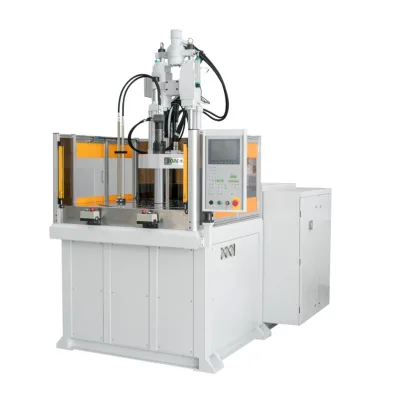
The vertical electric injection molding machine represents a specialized segment within the broader plastics processing industry, distinguished by its unique orientation and drive mechanism. Unlike traditional horizontal units, the vertical configuration places the clamping unit and injection unit in an upright arrangement. This design is particularly advantageous for applications requiring precise insert molding, where components must be placed into the mold cavity by gravity or robotic arms before the mold closes. The electric drive system further differentiates these machines by offering superior energy efficiency, reduced noise levels, and enhanced control over injection speed and pressure compared to purely hydraulic systems.
Based on observed market data, these machines often feature a combination of hydraulic and electric technologies, with some models offering a "Hydraulic, Electric" classification that leverages the robust clamping force of hydraulics alongside the precision of electric injection drives. The vertical style is explicitly noted in product specifications, confirming its suitability for compact manufacturing environments where floor space is at a premium. The structural integrity of these units is critical, with observed dimensions ranging significantly, such as a footprint of 230024502600 mm for larger industrial models. Buyers must verify that the machine's physical dimensions align with their facility's spatial constraints, as the vertical orientation requires specific ceiling height clearances that horizontal machines do not.
Technical Specifications and Performance Metrics
When evaluating a vertical electric injection molding machine, buyers must scrutinize a comprehensive set of technical parameters to ensure the equipment meets production demands. The core performance metrics include clamping force, injection rate, and plasticizing capacity. Market observations indicate that clamping forces can vary, with specific models listed at 850 kN, which is suitable for medium-scale production runs. The injection rate, a critical factor for cycle time efficiency, is observed at 109 g/s in certain high-speed configurations, while plasticizing capacity may reach 206 g/s. These figures are essential for determining the machine's ability to handle specific resin types and part geometries.
The injection weight capacity is another vital specification, with observed values around 142 g, indicating the machine's suitability for producing smaller to medium-sized components. The power consumption is a significant cost driver; observed power ratings include 15 kW and 11 kW configurations, reflecting the energy efficiency of electric drives. The voltage requirements are diverse, with specifications listing 380V, 220V, 415V, and 480V, necessitating careful verification of the facility's electrical infrastructure before procurement. The machine's weight is also a logistical consideration, with observed weights ranging from 4300 kg to 6500 kg, impacting foundation requirements and shipping logistics.
Furthermore, the machine's structural design often includes a screw-type plasticizing method, compatible with a wide range of thermoplastic materials including PP, PC, ABS, PET, PVC, and various grades like FRPP/PVC, PPR, HDPE, and Mlldpe. The core components driving these operations typically include bearings, motors, and pressure vessels, which are critical for long-term reliability. Buyers should verify the specific configuration of these components, as the "Automatic Grade" and "Computerized" attributes suggest a high level of automation and control, essential for consistent quality in mass production.
Compliance, Certification, and Safety Standards
Navigating the regulatory landscape is a fundamental aspect of sourcing industrial machinery. For vertical electric injection molding machines, compliance with international standards is non-negotiable to ensure operational safety and market access. Observed certifications for these machines include ISO, CE, ISO9001:GMP, and QS. The presence of CE certification indicates conformity with health, safety, and environmental protection standards for products sold within the European Economic Area. ISO certification, particularly ISO9001, validates the manufacturer's quality management systems, while GMP (Good Manufacturing Practice) is crucial for applications in the medical or food packaging sectors.
Buyers must verify that the specific unit they are purchasing carries valid, up-to-date certification documents. It is important to note that while some listings mention "Export Wooden Case" or "Wooden Pallet" for packing, the structural standards for the machine itself, such as the "2t" or "6.0x1.5x2.3m" references, must be cross-referenced with local safety regulations. The "Condition: New" status implies the machine is manufactured to current standards, but buyers should request proof of compliance for the specific serial number or batch. Additionally, the "Video Outgoing-Inspection: Provided" feature allows buyers to remotely verify the machine's condition and functionality before shipment, adding a layer of transparency to the procurement process.
Cost Drivers and Financial Considerations
The total cost of ownership for a vertical electric injection molding machine extends far beyond the initial purchase price. While observed price ranges in the market span from $1 to $732,000, this wide variance reflects differences in machine size, automation levels, and customization options. The primary cost drivers include the clamping force capacity, the complexity of the electric drive system, and the level of customization. Machines with "Customized" attributes or "Custom Made" colors and configurations will naturally command a higher price point due to the additional engineering and manufacturing time required.
Energy efficiency is a significant long-term cost factor. Electric machines typically consume less power than hydraulic counterparts, with observed power ratings of 11 kW or 15 kW. However, the initial capital expenditure for electric drives is often higher. Buyers should calculate the return on investment based on energy savings, maintenance costs, and production throughput. The "Selling Point: High Precision Energy-Saving" suggests that these machines are designed to minimize operational costs over time. Additionally, the "Selling Units: Single item" and "MOQ: 1 Set" indicate that these machines are often sold as individual units, allowing for flexible procurement without the need for bulk ordering, which can be beneficial for small to medium-sized enterprises.
Typical Applications and Industry Suitability
Vertical electric injection molding machines are uniquely suited for specific industrial applications where their design advantages can be fully leveraged. The "Applicable Industries" observed in the market include Building Material Shops and Manufacturing Plants, highlighting their versatility. However, their primary strength lies in insert molding, overmolding, and assembly operations where gravity assists in part placement. The vertical orientation allows for easy loading of metal inserts or pre-molded parts into the mold cavity, making them ideal for producing electrical connectors, automotive components, and medical devices.
The "Key Selling Points: Easy to Operate" attribute suggests that these machines are designed for user-friendly interfaces, reducing the learning curve for operators. This is particularly important in industries with high turnover rates or where precision is paramount. The "Automatic Grade" and "Computerized" features enable complex process control, ensuring consistent part quality across large production runs. The ability to process a wide variety of thermoplastics, from standard grades like PP and ABS to specialized materials like FRPP/PVC, further expands their application scope. Buyers should align the machine's capabilities with their specific product requirements, ensuring the injection weight and clamping force are sufficient for their intended parts.
Supplier Evaluation and Quality Assurance
Selecting the right supplier is critical to the success of any procurement project. Buyers should prioritize suppliers who offer comprehensive after-sales support, including warranty coverage. Observed warranty periods of "1 Year" are standard, but buyers should negotiate extended terms for critical components. The "Showroom Location" in countries like Egypt, India, and Mexico indicates a global presence, but buyers must verify the actual manufacturing origin, which is listed as "China," specifically "Zhejiang" or "Ningbo." These regions are known for their manufacturing hubs, but quality can vary between suppliers.
Quality assurance should be a central part of the evaluation process. The "Video Outgoing-Inspection: Provided" service is a valuable tool for remote verification, allowing buyers to inspect the machine's assembly, finish, and functionality before it leaves the factory. Buyers should also request detailed documentation regarding the "Core Component" suppliers, such as the bearings and motors, to ensure they are sourced from reputable manufacturers. The "Customization: Available" and "Customized" attributes suggest that suppliers are willing to tailor machines to specific needs, but this requires clear communication and detailed specifications to avoid misunderstandings.
Long-Term Procurement and Operational Strategy
Long-term procurement success depends on a strategic approach that considers maintenance, spare parts availability, and scalability. The "Delivery Date" observed in the market ranges from 30 to 90 days, reflecting the complexity of manufacturing and customization. Buyers should factor these lead times into their production planning to avoid bottlenecks. The "prod_packing" of "Export Wooden Case" ensures safe transportation, but buyers should verify the packaging standards to prevent damage during transit.
Scalability is another consideration. As production demands grow, the ability to upgrade or add modules to the existing machine becomes important. The "Automatic" and "Computerized" features suggest that these machines are designed for future expansion, potentially allowing for integration with robotics or advanced monitoring systems. Buyers should also consider the "Condition: New" status and the potential for refurbished units, weighing the cost savings against the risk of reduced lifespan. Finally, the "Selling Point: High Precision Energy-Saving" underscores the importance of selecting a machine that not only meets current needs but also aligns with future sustainability goals and energy efficiency standards. By carefully evaluating these factors, buyers can make informed decisions that ensure long-term operational success and cost-effectiveness.
FAQs
What is the clamping force of this vertical electric injection molding machine?
The observed clamping force is 850, suitable for medium-scale production runs. This capacity supports the production of smaller to medium-sized components while ensuring stability during the molding cycle.
Can I customize the color and specifications of this machine?
Yes, customization is available with options for custom-made colors and tailored specifications. Buyers should provide detailed requirements to ensure the engineering team can meet specific production needs.
What certifications does this vertical electric injection molding machine hold?
The machine holds ISO, CE, ISO9001:GMP, and QS certifications. These documents validate quality management systems and safety standards required for market access in various regions including the European Economic Area.
How long is the delivery time for a new vertical electric injection molding machine?
Delivery dates range from 30 to 90 days depending on customization and production schedules. Buyers must factor these lead times into their production planning to avoid operational bottlenecks.
What is the minimum order quantity for purchasing this machine?
The minimum order quantity is 1 set, allowing for flexible procurement without bulk ordering. This single-item selling unit structure benefits small to medium-sized enterprises needing immediate equipment.
Which materials can this machine process effectively?
It processes thermoplastics including PP, PC, ABS, PET, PVC, and various grades like HDPE. The screw-type plasticizing method ensures compatibility with a wide range of resin types for diverse applications.
What is the power consumption of the vertical electric injection molding machine?
Observed power ratings include 11 kW and 15 kW configurations reflecting energy efficiency. Buyers should verify facility voltage requirements as specifications list 380V, 220V, 415V, and 480V options.